



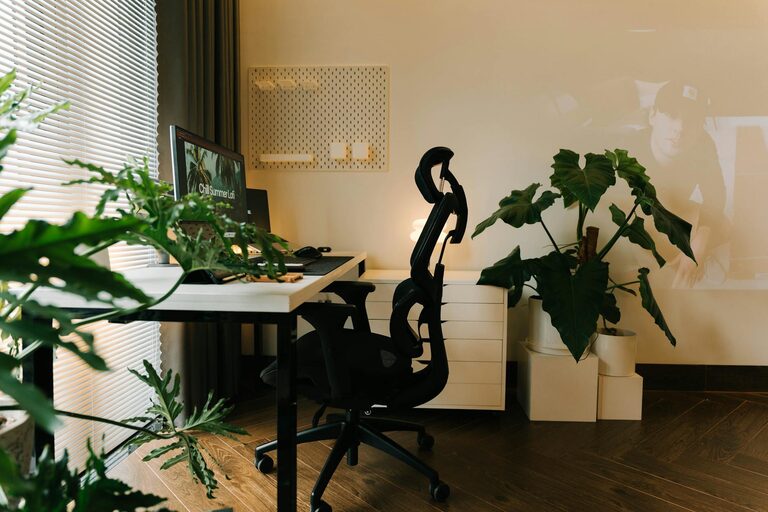
Creating a relaxing home office environment is essential for maintaining productivity and well-being during your workday. Whether you’re working remotely full-time or just need a quiet space to focus, a peaceful and well-organized office can make all the difference. In this post, we’ll explore practical tips to help you design a workspace that promotes calm, focus, and comfort.
Why a Relaxing Home Office Matters
Working from home often blurs the lines between personal and professional life. A stressful or cluttered workspace can increase distractions and fatigue. By creating a dedicated, relaxing office area, you can:
– Improve concentration and efficiency
– Reduce stress and avoid burnout
– Promote better posture and physical health
– Enhance motivation and creativity
Now, let’s dive into how you can build this kind of environment step by step.
Choose the Right Location
The first step is selecting where your home office will be. Here are some tips:
– Find a quiet spot away from high traffic zones like the kitchen or living room.
– Consider natural light. A room with windows can improve mood and reduce eye strain.
– Make sure it fits your needs. You should have enough space for your desk, equipment, and storage.
If space is limited, think about multifunctional furniture to maximize the area.
Invest in Comfortable and Functional Furniture
Your furniture plays a key role in comfort and productivity.
– Ergonomic chair: Choose a chair with good lumbar support to reduce back pain. Adjustable height and armrests help customize comfort.
– Desk: A desk at the right height prevents strain. Consider sit-stand desks that allow switching positions during the day.
– Storage: Shelves, cabinets, and organizers keep your space tidy and minimize clutter.
Proper furniture encourages good posture and reduces physical stress.
Optimize Lighting
Lighting affects your energy levels and focus.
– Natural light: Position your desk near a window if possible. Use sheer curtains to diffuse strong sunlight.
– Artificial light: Use a combination of ambient lighting and task lights. A desk lamp with adjustable brightness is helpful for focused work.
– Avoid harsh overhead lights or glare on screens.
Good lighting reduces eye strain and enhances mood.
Use Calming Colors and Decorations
Colors influence how we feel.
– Choose soft, neutral tones like pale blues, greens, or earth tones for the walls and decor. These colors are known to promote calmness.
– Add personal touches such as plants, artwork, or photographs that make you feel relaxed and inspired.
– Keep decorations minimal to avoid visual clutter.
Creating a visually soothing space makes work less stressful.
Incorporate Natural Elements
Bringing nature indoors can have a calming effect.
– Place small plants or succulents nearby; they improve air quality and add color.
– Use natural materials like wooden desk accessories or woven baskets for storage.
– Play gentle nature sounds if it helps you focus, such as rainfall or birdsong.
Natural elements foster relaxation and boost creativity.
Manage Noise Levels
Noise can be distracting, so consider these strategies:
– Use noise-canceling headphones if your home is noisy.
– Add soft textiles like rugs or curtains that absorb sound.
– Choose a location away from household noise if possible.
A quieter office environment supports concentration and reduces stress.
Keep Your Workspace Organized
A tidy workspace can help clear your mind.
– Use organizers and trays for documents and supplies.
– File or discard papers regularly.
– Schedule a few minutes at the end of each day to tidy your desk.
Organization reduces distractions and helps you start each day fresh.
Set Boundaries to Separate Work and Home Life
Maintaining a clear divide between work and relaxation spaces is important.
– If possible, close the door to your office when not working.
– Use a distinct workspace that you don’t use for leisure activities.
– Establish regular work hours and communicate them to those you live with.
Clear boundaries help you switch off and avoid burnout.
Personalize Your Space
Finally, make your workspace uniquely yours.
– Choose accessories and tools that you enjoy using.
– Include motivational quotes or a vision board.
– Adjust layout and lighting as needed until you feel comfortable.
When your workspace reflects your personality, it becomes more inviting and inspiring.
—
Summary
Creating a relaxing home office is about balancing comfort, functionality, and aesthetics. By selecting the right location, investing in ergonomic furniture, optimizing lighting, and adding calming touches, you can design a space that promotes well-being and productivity. Remember to keep your workspace organized, manage noise, and set boundaries to maintain work-life harmony.
Try implementing these tips gradually and notice how your workdays improve. A relaxing home office truly makes working from home a more enjoyable experience.
More Stories
Tips for Creating a Relaxing Home Workspace to Boost Productivity
Tips for Creating a Cozy and Productive Home Workspace
Tips for Creating a Cozy and Productive Home Office Space